Category: Dr. Anjani Gummadi Blogs

  • Neonatal Lupus: Causes, Symptoms, Diagnosis & Expert Care for Newborns

    Neonatal Lupus: Causes, Symptoms, Diagnosis & Expert Care for Newborns

    Neonatal Lupus is a rare autoimmune condition seen in newborn babies when certain antibodies from the mother pass to the baby during pregnancy. For parents, hearing the word “lupus” can be overwhelming, but it is important to know that most cases of Neonatal Lupus are temporary and manageable. With early diagnosis, careful monitoring, and the right medical guidance, babies with neonatal lupus usually recover fully. Seeking timely care from an experienced Pediatric Immunologist in Hyderabad helps ensure accurate diagnosis, proper treatment, and long-term reassurance for families.
    What Is Neonatal Lupus?

    Neonatal Lupus is not caused by the baby’s immune system. Instead, it occurs when specific autoantibodies from the mother cross the placenta and temporarily affect the newborn. These antibodies may impact the baby’s skin, heart, liver, or blood cells.

    Is Neonatal Lupus the Same as Adult Lupus?

    No. Neonatal Lupus is different from adult systemic lupus erythematosus (SLE). In most babies, symptoms resolve completely once the maternal antibodies naturally disappear from the baby’s body.

    How Common Is Neonatal Lupus?

    • Neonatal Lupus is rare
    • Many parents learn about it only after symptoms appear
    • Early medical attention helps prevent complications

    Causes of Neonatal Lupus

    Role of Maternal Autoantibodies

    Neonatal Lupus occurs due to the transfer of:

    • Anti-Ro (SSA) antibodies
    • Anti-La (SSB) antibodies

    These antibodies cross the placenta during pregnancy and may temporarily affect the baby.


    Can Mothers Have No Symptoms?

    Yes. Many mothers:

    • Do not have lupus
    • Have no visible autoimmune symptoms

    This is why awareness and specialist evaluation are essential, especially during pregnancy.

    Signs and Symptoms of Neonatal Lupus

    Skin Symptoms

    • Red or ring-shaped rashes
    • Common on the face, scalp, or upper body
    • Rashes may worsen with sunlight exposure

    Heart-Related Symptoms

    • Congenital heart block
    • Slow or irregular heartbeat
    • May be detected before birth or shortly after delivery

    Liver and Blood-Related Symptoms

    • Temporary elevation of liver enzymes
    • Low platelet or white blood cell counts

    How Neonatal Lupus Is Diagnosed

    Diagnosis During Pregnancy

    • Blood tests to detect maternal autoantibodies
    • Fetal echocardiography to monitor the baby’s heart rhythm

    Diagnosis After Birth

    • Blood tests for antibodies and blood counts
    • ECG or heart monitoring
    • Clinical skin examination

    A Pediatric Immunologist in Hyderabad plays a crucial role in confirming the diagnosis and coordinating long-term care.

    Treatment and Management of Neonatal Lupus

    Managing Skin Symptoms

    • Avoid direct sun exposure
    • Use protective clothing and doctor-recommended sunscreen
    • Mild topical treatments when needed

    Managing Heart Complications

    • Regular cardiac monitoring
    • Medications or pacemaker support in rare severe cases

    Multidisciplinary Care

    Effective treatment often involves:

    • Pediatric immunologist
    • Pediatric cardiologist
    • Neonatologist

    Long-Term Outlook for Babies with Neonatal Lupus

    Do Symptoms Resolve Over Time?

    Yes. In most cases:

    • Maternal antibodies disappear by 6–8 months
    • Skin and blood symptoms resolve completely
    • Babies grow and develop normally

    Risk of Lupus Later in Life

    • Very low
    • Most children do not develop autoimmune disease
    • Periodic follow-ups provide reassurance

    When Should Parents Consult a Specialist?

    Seek Medical Attention If Your Baby Has:

    • Persistent or worsening skin rashes
    • Feeding difficulties
    • Abnormal or slow heart rate
    • Excessive sleepiness or poor activity

    Why Early Specialist Care Matters

    Consulting a Pediatric Immunologist in Hyderabad ensures:

    • Accurate diagnosis
    • Early intervention
    • Emotional reassurance for parents

    Conclusion

    Neonatal Lupus can be worrying for parents, but with early diagnosis, expert care, and regular follow-up, most babies recover completely without long-term complications. Timely consultation with a trusted Pediatric Immunologist in Hyderabad provides the right guidance, reassurance, and care needed for the best possible outcomes.

    Your child’s health, comfort, and future well-being matter — and you don’t have to navigate this journey alone.

    Contact Us

  • Mixed Connective Tissue Disease in Children: Symptoms, Diagnosis & Expert Care

    Mixed Connective Tissue Disease in Children: Symptoms, Diagnosis & Expert Care

    Mixed Connective Tissue Disease (MCTD) is a rare autoimmune condition that can affect children and teenagers. Because the symptoms often overlap with other autoimmune diseases like lupus, scleroderma, and polymyositis, parents may feel confused or worried when their child experiences unexplained pain, fatigue, or swelling.The good news is — with timely diagnosis and expert care from a specialist such as a Pediatric Immunologist in Hyderabad, children with MCTD can receive the right treatment, live active lives, and enjoy a healthy future.This guide will help parents understand the condition in a clear, compassionate, and easy-to-read way.

    What is Mixed Connective Tissue Disease (MCTD)?

    MCTD is an autoimmune condition. This means the body’s immune system — which normally protects us from infections — mistakenly attacks its own tissues. In children, this may affect:

    • Joints
    • Muscles
    • Skin
    • Lungs
    • Heart
    • Blood vessels

    Because MCTD shows features of multiple autoimmune diseases, diagnosis requires careful evaluation by a specialist.

    Why Early Diagnosis Matters

    Early detection helps doctors manage symptoms, prevent organ damage, and protect your child’s long-term health.

    What Causes MCTD in Children?

    Doctors don’t yet know the exact cause, but research suggests:

    Genetic Factors

    Some children may have genes that make them more likely to develop autoimmune conditions.

    Immune System Triggers

    Infections or environmental factors may trigger an abnormal immune response.

    It’s important to understand — nothing the child or parents did caused MCTD.

    Common Signs and Symptoms Parents Should Watch For

    Symptoms may start slowly and progress over time. Early recognition helps children get support sooner.

    Early Symptoms

    Parents may notice:

    • Tiredness or fatigue
    • Joint pain or swelling
    • Raynaud’s phenomenon (fingers turning white or blue in cold)

    Other Possible Symptoms

    Some children may experience:

    • Muscle weakness
    • Rashes
    • Trouble swallowing
    • Shortness of breath
    • Swollen fingers
    • Fever
    • Weight loss

    When to See a Specialist

    If your child has ongoing pain, fatigue, or unexplained symptoms, it is best to consult a Pediatric Immunologist in Hyderabad for expert evaluation.

    How is MCTD Diagnosed?

    Diagnosis requires careful assessment because symptoms overlap with other autoimmune conditions.

    Medical History & Physical Examination

    Your doctor will discuss:

    • Symptoms
    • Duration
    • Family history
    • Physical changes

    Blood Tests

    These may include:

    • ANA (Antinuclear antibody)
    • Anti-RNP antibodies
    • ESR/CRP (inflammation markers)

    Imaging & Organ Assessment

    Tests may check the lungs, heart, and muscles to ensure they are functioning well.

    Treatment Options for Mixed Connective Tissue Disease

    While there is no single “cure,” MCTD can be effectively managed with the right treatment plan tailored to your child.

    Medications May Include

    • Anti-inflammatory medicines
    • Immunosuppressive therapy
    • Steroids (when needed and closely monitored)

    Supportive Care

    • Nutritious diet
    • Gentle physiotherapy
    • Stress management
    • Emotional support

    Regular Follow-Up is Important

    Monitoring helps prevent complications and keeps symptoms under control.

    Why Choose a Pediatric Specialist?

    Role of a Pediatric Immunologist

    A pediatric immunologist is specially trained to diagnose and manage autoimmune and immune-related disorders in children.

    Expert Care in Hyderabad

    Families can consult a trusted Pediatric Immunologist in Hyderabad to ensure:

    • Accurate diagnosis
    • Child-focused care
    • Compassionate support for families

    Your child is treated not just medically — but emotionally and developmentally as well.

    Living With MCTD – Support for Families

    A diagnosis can feel overwhelming — but you’re not alone.

    Emotional Well-Being

    Children may need reassurance and encouragement. Open communication with teachers and caregivers also helps.

    Parental Role

    You can support your child by:

    • Tracking symptoms
    • Attending regular check-ups
    • Encouraging healthy habits
    • Maintaining routine daily activities

    Long-Term Outlook

    With the right treatment, many children live active, fulfilling lives.

    Conclusion

    Mixed Connective Tissue Disease may sound intimidating, but with early diagnosis and specialist care, children can lead healthy and joyful lives. If your child has ongoing joint pain, fatigue, swollen fingers, or autoimmune symptoms, don’t ignore the signs.Reach out to an experienced
    Pediatric Immunologist in Hyderabad
    for expert guidance, compassionate care, and the right treatment plan.

    Your child’s health, comfort, and future well-being matter — and you don’t have to navigate this journey alone.


    Contact Us

  • Bone-Related Disorders in Children: Causes, Symptoms, and Expert Care by Dr. Anjani Gummadi

    Bone-Related Disorders in Children: Causes, Symptoms, and Expert Care by Dr. Anjani Gummadi

    Strong bones are the foundation of healthy growth and active childhood. However, some children experience conditions that weaken their bones, cause pain, or affect their growth and movement. These are known as bone-related disorders — and they can arise due to genetic, nutritional, autoimmune, or metabolic reasons.At Pediatric ImmunoRheumatology Clinic, Dr. Anjani Gummadi, a leading Consultant in Clinical Immunology and Pediatric Rheumatology, provides specialized diagnosis and treatment for children with such disorders. Her goal is to help children regain strength, mobility, and confidence through compassionate and evidence-based care.

    What Are Bone-Related Disorders?

    Bone-related disorders are medical conditions that affect the structure, strength, or function of bones. In children, these issues may interfere with normal growth, lead to pain, or increase the risk of fractures.Unlike adults, a child’s bones are still growing, which makes early detection and treatment extremely important.Bone disorders can affect:

    • Bone density and strength
    • Growth plates (the areas where new bone forms)
    • Joint movement and posture
    • Overall skeletal development

    Common Bone-Related Disorders in Children

    Here are some of the most common conditions treated by Dr. Anjani Gummadi, a trusted Pediatric Rheumatologist in Hyderabad:

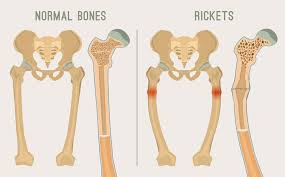
    1. Rickets

    Rickets is caused by Vitamin D deficiency, which affects calcium absorption and leads to soft and weak bones.
     Symptoms include:

    • Bowed legs or knock knees
    • Delayed growth
    • Bone pain or tenderness
    • Muscle weakness

    Treatment: Vitamin D and calcium supplementation, diet changes, and sunlight exposure.

    2. Osteogenesis Imperfecta (Brittle Bone Disease)

    This is a genetic disorder where bones break easily, often with little or no trauma.
     Symptoms include:

    • Frequent bone fractures
    • Blue tint in the whites of eyes
    • Hearing loss
    • Short stature

    Treatment: Physiotherapy, medication to strengthen bones, and fracture management.

    3. Metabolic Bone Diseases

    These occur when the body’s metabolism affects bone growth and mineralization, often due to hormonal or enzyme imbalances.

     Examples include: Hypophosphatemic rickets, renal osteodystrophy, or osteomalacia.

    Treatment: Depends on the underlying cause—nutritional, hormonal, or renal therapies.

    4. Osteomyelitis

    Osteomyelitis is a bone infection caused by bacteria or fungi. It can develop after an injury, surgery, or through the bloodstream.
     Symptoms include:

    • Severe bone pain
    • Fever and fatigue
    • Swelling or redness around the affected bone

    Treatment: Antibiotics, rest, and sometimes surgical intervention.

    5. Juvenile Idiopathic Arthritis (JIA) and Bone Health

    Though primarily an autoimmune joint condition, JIA can also affect bone strength and growth, especially if untreated. Chronic inflammation and long-term steroid use may cause bone thinning or deformities.

    Management: Immunotherapy, physiotherapy, and bone-strengthening medications.

    Causes of Bone Disorders in Children

    Bone-related disorders can develop from multiple factors, including:

    • Nutritional Deficiencies: Low Vitamin D or calcium intake
    • Genetic Conditions: Inherited disorders affecting bone formation
    • Autoimmune Diseases: Body’s immune system attacking bone tissues
    • Endocrine Problems: Hormonal imbalances affecting calcium metabolism
    • Infections or Injuries: Damage to growing bone tissue
    • Medication Side Effects: Long-term steroid use in some chronic illnesses

    Identifying the root cause early allows for timely treatment and prevents long-term complications.

    How to Diagnoses Bone Disorders

    As a skilled Consultant in Clinical Immunology and Pediatric Rheumatology, Dr. Anjani Gummadi follows a structured diagnostic process to pinpoint the cause and severity of bone issues.

    Diagnostic steps include:

    1. Detailed Medical History: Understanding symptoms, family history, and growth milestones.
    2. Physical Examination: Checking for bone deformities, swelling, or tenderness.
    3. Laboratory Tests: Measuring calcium, phosphate, Vitamin D, and hormone levels.
    4. Imaging Studies: X-rays, bone scans, or MRI for structural assessment.
    5. Genetic or Immunologic Testing: For complex or hereditary bone conditions.

    This holistic approach ensures accuracy and avoids unnecessary procedures.

    Treatment Options at Pediatric ImmunoRheumatology Clinic

    Treatment for bone-related disorders depends on the child’s age, diagnosis, and overall health. Under Dr. Anjani Gummadi’s care, therapy focuses on improving bone strength, reducing pain, and promoting normal growth.

    1. Nutritional Therapy

    • Vitamin D and calcium supplements
    • Diet rich in dairy, eggs, and leafy greens
    • Sunlight exposure for natural Vitamin D

    2. Medications

    • Bisphosphonates for bone strength
    • Anti-inflammatory or immunosuppressive drugs (for autoimmune bone conditions)
    • Antibiotics for infections like osteomyelitis

    3. Physiotherapy and Exercise

    • Improves muscle strength and joint flexibility
    • Reduces stiffness and promotes posture correction

    4. Surgical Support

    In severe deformities or frequent fractures, surgery may be needed to align or stabilize bones.

    5. Long-Term Monitoring

    Regular follow-ups help track bone density, growth, and response to treatment.

    Holistic Support for Children and Families

    At Pediatric ImmunoRheumatology Clinic, care goes beyond medical treatment. Dr. Anjani Gummadi emphasizes emotional and educational support for both children and parents.

    We focus on:

    • Helping children adapt to physical limitations
    • Guiding parents in lifestyle and nutrition choices
    • Encouraging safe play and movement
    • Ensuring psychological well-being during long-term treatment

    The clinic’s goal is to build confidence and resilience while managing chronic conditions effectively.

    Why Choose Dr. Anjani Gummadi?

    • Expertise: Specialized in autoimmune and bone-related disorders in children
    • Comprehensive Diagnosis: In-depth testing and personalized evaluation
    • Advanced Treatment Options: Biologic and immunotherapy care
    • Child-Centered Approach: Compassionate, gentle, and family-inclusive care
    • Trusted by Parents Across Hyderabad: Known for clarity, empathy, and results
      If your child has unexplained bone pain, fractures, or growth issues, consulting a Pediatric Rheumatologist in Hyderabad like Dr. Anjani Gummadi can make a life-changing difference.

    When to Consult a Pediatric Rheumatologist

    You should seek expert evaluation if your child experiences:

    • Repeated or unexplained bone fractures
    • Persistent joint or bone pain
    • Growth abnormalities
    • Limping or stiffness
    • Fatigue or swelling without injury

    Early consultation helps identify underlying disorders before they cause permanent effects.

    Conclusion

    Bone-related disorders in children can be complex but are treatable with early diagnosis and expert care.
     Under the guidance of Dr. Anjani Gummadi, children receive comprehensive, evidence-based, and compassionate treatment designed to restore bone health and ensure healthy growth.

    At Pediatric ImmunoRheumatology Clinic, your child’s future is in safe, caring hands.


    Contact Us

  • A Parent’s Guide to Autoinflammatory Syndromes: Symptoms, Care & Treatment

    A Parent’s Guide to Autoinflammatory Syndromes: Symptoms, Care & Treatment

    When your child keeps getting unexplained fevers, rashes, or body pains, it can be worrying. While most of the time these symptoms are linked to common infections, sometimes the real cause lies deeper in the immune system. This is where autoinflammatory syndromes come into play a group of rare conditions that confuse even the strongest immune systems.

    Early diagnosis and the right treatment can make a huge difference. That’s why consulting a specialist like Dr. Anjani Gummadi, an experienced Pediatric Immunologist in Hyderabad, is so important for families dealing with such conditions.

    What Are Autoinflammatory Syndromes?

    Autoinflammatory syndromes are rare disorders where the body’s defense system becomes overactive and causes repeated inflammation even without an infection. Unlike autoimmune diseases (where the body attacks its own cells), autoinflammatory conditions are more about uncontrolled immune “flares” that happen again and again.
    Think of it like a smoke alarm going off in your house even when there’s no fire, that’s how the immune system reacts in these syndromes.

    Common Types of Autoinflammatory Syndromes

    While rare, there are a few conditions doctors often see in children:

    • Systemic Juvenile Idiopathic Arthritis (sJIA): High fevers, arthritis, and rashes in children.
    • Familial Mediterranean Fever (FMF): Sudden fevers and stomach pain, more common in certain ethnic groups.
    • Cryopyrin-Associated Periodic Syndromes (CAPS): Includes conditions like Muckle-Wells syndrome, often causing fever, rash, and joint issues.
    • TRAPS (Tumor Necrosis Factor Receptor-Associated Periodic Syndrome): Prolonged fevers, muscle pain, and skin rashes.

    Symptoms Parents Should Watch Out For

    Parents often notice patterns before doctors do. Some common warning signs include:

    • Recurrent fevers without infections
    • Rashes that appear and disappear
    • Joint pain, swelling, or stiffness
    • Persistent fatigue and slow growth in children

    Causes and Risk Factors

    • Genetic factors: Many autoinflammatory syndromes are inherited.
    • Environmental triggers: Stress, infections, or unknown factors may trigger flare-ups.

    How Are These Conditions Diagnosed?

    Diagnosis usually requires:

    • Detailed medical and family history
    • Blood tests to check for inflammation markers
    • Genetic testing for confirmation

    Since these conditions are rare, consulting an expert like Dr. Anjani Gummadi is crucial. With her expertise in pediatric immunology and rheumatology, she helps identify the condition accurately and provides a personalized treatment plan.

    Treatment and Management

    There is no one-size-fits-all approach, but treatments often include:

    • Medications: Biologics, anti-inflammatory drugs, and immune-targeted therapies.
    • Lifestyle adjustments: Balanced diet, proper rest, and avoiding known triggers.
    • Regular monitoring: Ongoing care ensures flare-ups are controlled early.

    Why See Dr. Anjani Gummadi – Pediatric Immunologist in Hyderabad?

    Children with recurring unexplained fevers and rashes often need a deeper evaluation than what routine pediatric care can provide. Dr. Anjani Gummadi, a trusted Pediatric Immunologist in Hyderabad, specializes in rare immune-related conditions and creates personalized care plans that improve long-term outcomes. Her compassionate approach ensures that both children and parents feel supported throughout the treatment journey.

    Living with Autoinflammatory Syndromes

    While these conditions can feel overwhelming, with the right care, children can live active, fulfilling lives. Support groups, counseling, and family awareness also play a big role in helping kids cope both physically and emotionally. With guidance from experts like Dr. Anjani Gummadi, families can manage symptoms more effectively and improve overall quality of life.

    Conclusion

    Autoinflammatory syndromes may be rare, but they are not impossible to manage. Recognizing symptoms early, consulting a specialist, and following a tailored treatment plan can bring relief and stability to your child’s life.

    If your child shows recurring fevers, rashes, or unexplained body pain, don’t wait to schedule a consultation with Dr. Anjani Gummadi, an experienced Pediatric Immunologist in Hyderabad, for expert guidance and long-term care.


    Contact Us

  • Understanding Immunodeficiency Disorders: Causes, Symptoms & Expert Care

    Understanding Immunodeficiency Disorders: Causes, Symptoms & Expert Care

    Our immune system is our body’s natural defense against infections and diseases. But for some people, this shield is weakened due to immunodeficiency disorders. These conditions make individuals more vulnerable to frequent infections, delayed recovery, and even autoimmune complications. Recognizing the signs early and seeking specialized care is the key to living a healthier life.

    For families in Hyderabad, consulting the best immunologist in Hyderabad ensures accurate diagnosis and advanced treatment for both children and adults dealing with immune system challenges.

    What Are Immunodeficiency Disorders?

    Immunodeficiency disorders occur when the immune system is either absent, underactive, or not functioning properly. This makes it difficult for the body to fight off infections and sometimes leads to autoimmune problems where the body attacks its own cells.Unlike temporary low immunity caused by stress or minor illness, immunodeficiency disorders are often chronic and require medical attention.

    Types of Immunodeficiency Disorders

    1. Primary Immunodeficiency Disorders

    • Caused by genetic or inherited factors.
    • Usually present from birth or detected during childhood.
    • Examples include:
      • Severe Combined Immunodeficiency (SCID)
      • Common Variable Immunodeficiency (CVID)
      • Selective IgA Deficiency
    • Early diagnosis is vital, as many of these conditions can be life-threatening without treatment.

    2. Secondary (Acquired) Immunodeficiency Disorders

    • Developed later in life due to external factors.
    • Causes may include:
      • Chronic infections (e.g., HIV)
      • Cancer or chemotherapy treatments
      • Malnutrition
      • Long-term use of immunosuppressive medications
    • These conditions may be reversible with proper treatment of the underlying cause.

    Causes of Immunodeficiency Disorders?

    The causes can vary depending on the type:

    • Genetic mutations – inherited from parents in primary disorders.
    • Viral or bacterial infections – like HIV or tuberculosis.
    • Chronic illnesses – such as diabetes, kidney disease, or cancer.
    • Medical treatments – chemotherapy, organ transplant medications, or long-term steroids.
    • Nutritional deficiencies – especially lack of essential vitamins and minerals.

    An expert immunologist plays a crucial role in identifying the exact cause and designing the right treatment plan.

    Common Signs and Symptoms to Watch For

    Patients with immunodeficiency disorders often show certain warning signs, such as:

    • Frequent or recurrent infections (ear, sinus, lung, or skin infections).
    • Infections that are unusually severe or difficult to treat.
    • Delayed growth and development in children.
    • Autoimmune conditions (like rheumatoid arthritis or lupus).
    • Chronic fatigue and weakness.
    • Poor wound healing.

    If you or your child experiences these symptoms, consulting the best immunologist in Hyderabad is highly recommended.

    Diagnosis of Immunodeficiency Disorders

    Accurate diagnosis is the first step toward effective treatment. The process may include:

    • Medical history & physical examination – to assess infection patterns.
    • Blood tests – to measure white blood cells, antibodies, and immune function.
    • Genetic testing – especially in children with suspected primary immunodeficiency.
    • Specialized tests – such as flow cytometry or complement activity tests.

    These tests are best interpreted by an immunologist with specialized expertise in immune-related conditions.

    Treatment Options for Immunodeficiency Disorders

    Medications & Therapies

    • Antibiotics/antivirals – to treat or prevent infections.
    • Immunoglobulin (Ig) therapy – regular infusions to provide antibodies the body cannot produce.
    • Bone marrow or stem cell transplant – in severe genetic cases.
    • Targeted therapies – such as biologic medications for autoimmune-related immune deficiencies.

    Lifestyle & Supportive Care

    • Balanced nutrition with adequate vitamins and minerals.
    • Vaccination guidance – ensuring safe and necessary vaccines are administered.
    • Hygiene practices – such as frequent handwashing and avoiding infection exposure.
    • Regular follow-ups with an immunologist to monitor progress.

    With the right combination of therapies, many patients can lead healthy, fulfilling lives.

    Why Choose the Best Immunologist in Hyderabad?

    Choosing the right specialist is one of the most important decisions for patients dealing with immune-related conditions. Here’s why:

    • Specialized expertise in diagnosing complex immunodeficiency disorders.
    • Personalized treatment plans based on each patient’s unique needs.
    • Advanced diagnostic tools for accurate and early detection.
    • Comprehensive care that includes prevention, treatment, and long-term management.

    If you are searching for the Best Immunologist in Hyderabad, you’ll find experienced specialists who can provide world-class care and support for both children and adults.

    Conclusion

    Immunodeficiency disorders can be challenging, but with the right medical care, patients can manage their condition effectively and live healthier lives. Early recognition of symptoms and timely consultation with the best immunologist in Hyderabad ensures proper diagnosis, advanced treatment, and better long-term outcomes.If you or your child is facing recurrent infections or signs of low immunity, don’t delay—schedule a consultation today with a trusted immunology expert.

    Contact Us

  • Stronger Immunity, Brighter Future: Expert Care for Your Child’s Health

    Stronger Immunity, Brighter Future: Expert Care for Your Child’s Health

    Understanding Pediatric Immunology

    What It Is and Why It Matters

    Pediatric immunology focuses on diagnosing, treating, and managing immune system disorders in children. Since children’s immune systems are still developing, they require specialized care to recover faster and prevent recurring health issues.

    When to Seek Specialist Care

    You may consider consulting Dr. Anjani Gummadi, a leading Pediatric Immunologist in Hyderabad, if your child has:

    • Frequent or unusually severe infections

    • Persistent fevers without a clear cause

    • Delayed recovery from common illnesses

    • Unexplained allergic or autoimmune symptoms


    Conditions Dr. Anjani Gummadi Can Help With

    Primary Immunodeficiency (PID)

    These are conditions where the immune system doesn’t function properly, making children more prone to infections. Dr. Anjani uses advanced diagnostic tests and personalized treatment strategies such as immunoglobulin therapy to manage these cases effectively.

    Autoimmune & Auto-inflammatory Disorders

    Conditions like juvenile idiopathic arthritis, lupus, or vasculitis can be challenging for both children and parents. With her dual expertise in immunology and rheumatology, Dr. Anjani ensures early detection and targeted therapy.

    Allergies and Asthma Linked to Immune Function

    In some children, allergies and asthma are rooted in immune system issues. Treating the underlying cause rather than just symptoms is a key part of Dr. Anjani’s approach.


    The Care Process – From Diagnosis to Recovery

    Step 1: Comprehensive Evaluation

    The journey starts with an in-depth consultation with Dr. Anjani Gummadi, including a detailed medical history, examination, and specialized immune system testing.

    Step 2: Personalised Treatment Plans

    Every child receives a treatment plan tailored to their condition—whether it involves advanced medication, immunotherapy, or lifestyle adjustments.

    Step 3: Ongoing Support

    Dr. Anjani works closely with families through regular follow-ups, ensuring each child progresses toward a healthier and more active life.


    Why Hyderabad Families Trust Dr. Anjani Gummadi

    Having a Pediatric Immunologist in Hyderabad means access to world-class care without the stress of traveling far for regular visits. Dr. Anjani’s local expertise, combined with her training from premier institutions, ensures accurate diagnosis and effective treatment that’s sensitive to the needs of families in this region.


    Practical Tips for Parents

    • Keep your child’s vaccinations up to date.

    • Practice good hygiene to minimize infections.

    • Be alert to early signs of illness.

    • Join parent support groups for shared experiences and guidance.


    FAQs

    1. What does a Pediatric Immunologist do?
     A Pediatric Immunologist diagnoses and treats immune system disorders in children, including frequent infections, autoimmune diseases, and allergic conditions.

    2. When should I consult Dr. Anjani Gummadi?
     You should seek her expertise if your child has recurrent infections, unexplained fevers, slow recovery from illnesses, or suspected autoimmune issues.

    3. How does Dr. Anjani Gummadi approach treatment?
     She combines advanced diagnostics, personalized treatment plans, and family-centered care to ensure the best outcomes for each child.

    4. Are these treatments available in Hyderabad?
     Yes, Dr. Anjani provides advanced pediatric immunology care in Hyderabad, making it easier for families to access specialist services locally.

    5. Can immune disorders in children be cured?
     Some immune disorders can be fully treated, while others require long-term management. Early diagnosis and appropriate care significantly improve outcomes.


    Conclusion

    A strong immune system is the foundation of a happy, active childhood. With the guidance of Dr. Anjani Gummadi, families can face even the most complex health conditions with confidence. At Pediatric ImmunoRheumatology, the goal is simple—help every child build stronger immunity for a brighter, healthier future.

  • How Can a Pediatric Rheumatologist Help Your Child Lead a Healthy Life?

    Navigating Pediatric Health with Expert Care in Hyderabad

    When it comes to ensuring the health and well-being of children, choosing the right specialist can make all the difference. Hyderabad, a city known for its advanced medical facilities, is home to some of the best specialists catering to the unique healthcare needs of children. Among these experts is Dr. Anjani Gummadi, a renowned pediatric rheumatologist and immunologist who plays a vital role in managing complex health conditions that affect young ones.

    If you’re searching for a Child Specialist in Hyderabad, it’s essential to understand the specific expertise offered by Dr. Anjani Gummadi. As a pediatric rheumatologist and immunologist, she addresses a range of conditions that go beyond typical childhood illnesses, focusing on autoimmune disorders, immunodeficiencies, and other complex medical issues. Her work ensures that children not only recover from their ailments but also enjoy a better quality of life.

    The Role of a Pediatric Rheumatologist

    When parents think about rheumatology, they often associate it with conditions like arthritis in adults. However, children are not immune to such challenges. Dr. Anjani Gummadi, a leading Pediatric Rheumatologist in Hyderabad, specializes in diagnosing and treating autoimmune and inflammatory diseases in children, such as juvenile idiopathic arthritis, lupus, and vasculitis.

    Families in Hyderabad have access to her expertise, which combines an understanding of young patients’ unique physiological needs with advanced diagnostic techniques. Dr. Anjani uses a child-friendly approach, making young patients feel comfortable while addressing their health concerns comprehensively.

    Conditions treated by pediatric rheumatologists like Dr. Anjani often require long-term care, where consistent monitoring and personalized treatment plans are crucial. She works closely with parents, guiding them through every step of the journey to ensure their child’s health and well-being.

    Why Choose the Best Immunologist in Hyderabad?

    Immunologists specialize in understanding the complexities of the immune system. For children, a well-functioning immune system is critical for fighting infections and protecting the body from harmful diseases. When the immune system malfunctions, it can lead to frequent infections, allergies, or autoimmune conditions.

    As the Best Immunologist in Hyderabad, Dr. Anjani Gummadi is highly sought after for addressing concerns like immunodeficiencies, severe allergies, or immune-mediated diseases. She plays an indispensable role in diagnosing and managing conditions such as primary immunodeficiencies, recurrent infections, and immune system dysregulation.

    In pediatric care, Dr. Anjani provides treatments tailored to the unique needs of growing bodies. From advanced immunotherapy to lifestyle adjustments, she crafts solutions that support children’s health while minimizing disruptions to their daily lives.

    Bridging the Gap: Expertise in Rheumatology and Immunology

    Pediatric health is an intricate balance that often requires a multidisciplinary approach. Rheumatology and immunology frequently intersect, especially when children face autoimmune diseases that impact their joints, muscles, and immune system. Dr. Anjani Gummadi’s dual expertise ensures that children facing these challenges have access to the most advanced and effective treatments.

    The ability to diagnose overlapping conditions, provide integrated treatment, and offer a holistic approach to care makes Dr. Anjani an essential part of Hyderabad’s medical landscape.

    Hyderabad: A Hub for Pediatric Care Excellence

    Hyderabad is not just a city of culture and history; it is also a hub for world-class medical care. Families here have access to cutting-edge technology and skilled practitioners like Dr. Anjani Gummadi, who is a leader in her field. The presence of top-notch Child Specialists in Hyderabad ensures that parents never have to compromise on the quality of care for their little ones.

    Whether it’s a rare autoimmune disorder or an immune system concern, Dr. Anjani offers comprehensive solutions. Her patient-first approach, combined with advanced medical tools, ensures that children receive the best care possible.

    Choosing the Right Care for Your Child

    Navigating a child’s health journey can be overwhelming, but with the right specialist, parents can feel confident that their child is in safe hands. When looking for the Best Immunologist in Hyderabad or a Pediatric Rheumatologist in Hyderabad, Dr. Anjani Gummadi stands out for her proven track record, compassionate approach, and ability to communicate effectively with both children and their families.

    In a city that prides itself on its medical advancements, families have the advantage of consulting a specialist like Dr. Anjani, who not only treats the condition but also prioritizes the overall well-being of her young patients. With her expert care, a child’s health challenges can transform into a journey of recovery, resilience, and hope.

    If you’re in Hyderabad and in need of expert pediatric care, look no further than Dr. Anjani Gummadi. Dedicated to helping children lead healthier, happier lives, she is a trusted partner in your child’s health journey.