Strong bones are the foundation of healthy growth and active childhood. However, some children experience conditions that weaken their bones, cause pain, or affect their growth and movement. These are known as bone-related disorders — and they can arise due to genetic, nutritional, autoimmune, or metabolic reasons.At Pediatric ImmunoRheumatology Clinic, Dr. Anjani Gummadi, a leading Consultant in Clinical Immunology and Pediatric Rheumatology, provides specialized diagnosis and treatment for children with such disorders. Her goal is to help children regain strength, mobility, and confidence through compassionate and evidence-based care.
What Are Bone-Related Disorders?
Bone-related disorders are medical conditions that affect the structure, strength, or function of bones. In children, these issues may interfere with normal growth, lead to pain, or increase the risk of fractures.Unlike adults, a child’s bones are still growing, which makes early detection and treatment extremely important.Bone disorders can affect:
- Bone density and strength
- Growth plates (the areas where new bone forms)
- Joint movement and posture
- Overall skeletal development
Common Bone-Related Disorders in Children
Here are some of the most common conditions treated by Dr. Anjani Gummadi, a trusted Pediatric Rheumatologist in Hyderabad:
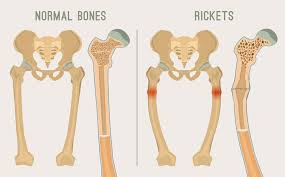
1. Rickets
Rickets is caused by Vitamin D deficiency, which affects calcium absorption and leads to soft and weak bones.
Symptoms include:
- Bowed legs or knock knees
- Delayed growth
- Bone pain or tenderness
- Muscle weakness
Treatment: Vitamin D and calcium supplementation, diet changes, and sunlight exposure.
2. Osteogenesis Imperfecta (Brittle Bone Disease)
This is a genetic disorder where bones break easily, often with little or no trauma.
Symptoms include:
- Frequent bone fractures
- Blue tint in the whites of eyes
- Hearing loss
- Short stature
Treatment: Physiotherapy, medication to strengthen bones, and fracture management.
3. Metabolic Bone Diseases
These occur when the body’s metabolism affects bone growth and mineralization, often due to hormonal or enzyme imbalances.
Examples include: Hypophosphatemic rickets, renal osteodystrophy, or osteomalacia.
Treatment: Depends on the underlying cause—nutritional, hormonal, or renal therapies.
4. Osteomyelitis
Osteomyelitis is a bone infection caused by bacteria or fungi. It can develop after an injury, surgery, or through the bloodstream.
Symptoms include:
- Severe bone pain
- Fever and fatigue
- Swelling or redness around the affected bone
Treatment: Antibiotics, rest, and sometimes surgical intervention.
5. Juvenile Idiopathic Arthritis (JIA) and Bone Health
Though primarily an autoimmune joint condition, JIA can also affect bone strength and growth, especially if untreated. Chronic inflammation and long-term steroid use may cause bone thinning or deformities.
Management: Immunotherapy, physiotherapy, and bone-strengthening medications.
Causes of Bone Disorders in Children
Bone-related disorders can develop from multiple factors, including:
- Nutritional Deficiencies: Low Vitamin D or calcium intake
- Genetic Conditions: Inherited disorders affecting bone formation
- Autoimmune Diseases: Body’s immune system attacking bone tissues
- Endocrine Problems: Hormonal imbalances affecting calcium metabolism
- Infections or Injuries: Damage to growing bone tissue
- Medication Side Effects: Long-term steroid use in some chronic illnesses
Identifying the root cause early allows for timely treatment and prevents long-term complications.
How to Diagnoses Bone Disorders
As a skilled Consultant in Clinical Immunology and Pediatric Rheumatology, Dr. Anjani Gummadi follows a structured diagnostic process to pinpoint the cause and severity of bone issues.
Diagnostic steps include:
- Detailed Medical History: Understanding symptoms, family history, and growth milestones.
- Physical Examination: Checking for bone deformities, swelling, or tenderness.
- Laboratory Tests: Measuring calcium, phosphate, Vitamin D, and hormone levels.
- Imaging Studies: X-rays, bone scans, or MRI for structural assessment.
- Genetic or Immunologic Testing: For complex or hereditary bone conditions.
This holistic approach ensures accuracy and avoids unnecessary procedures.
Treatment Options at Pediatric ImmunoRheumatology Clinic
Treatment for bone-related disorders depends on the child’s age, diagnosis, and overall health. Under Dr. Anjani Gummadi’s care, therapy focuses on improving bone strength, reducing pain, and promoting normal growth.
1. Nutritional Therapy
- Vitamin D and calcium supplements
- Diet rich in dairy, eggs, and leafy greens
- Sunlight exposure for natural Vitamin D
2. Medications
- Bisphosphonates for bone strength
- Anti-inflammatory or immunosuppressive drugs (for autoimmune bone conditions)
- Antibiotics for infections like osteomyelitis
3. Physiotherapy and Exercise
- Improves muscle strength and joint flexibility
- Reduces stiffness and promotes posture correction
4. Surgical Support
In severe deformities or frequent fractures, surgery may be needed to align or stabilize bones.
5. Long-Term Monitoring
Regular follow-ups help track bone density, growth, and response to treatment.
Holistic Support for Children and Families
At Pediatric ImmunoRheumatology Clinic, care goes beyond medical treatment. Dr. Anjani Gummadi emphasizes emotional and educational support for both children and parents.
We focus on:
- Helping children adapt to physical limitations
- Guiding parents in lifestyle and nutrition choices
- Encouraging safe play and movement
- Ensuring psychological well-being during long-term treatment
The clinic’s goal is to build confidence and resilience while managing chronic conditions effectively.
Why Choose Dr. Anjani Gummadi?
- Expertise: Specialized in autoimmune and bone-related disorders in children
- Comprehensive Diagnosis: In-depth testing and personalized evaluation
- Advanced Treatment Options: Biologic and immunotherapy care
- Child-Centered Approach: Compassionate, gentle, and family-inclusive care
- Trusted by Parents Across Hyderabad: Known for clarity, empathy, and results
If your child has unexplained bone pain, fractures, or growth issues, consulting a Pediatric Rheumatologist in Hyderabad like Dr. Anjani Gummadi can make a life-changing difference.
When to Consult a Pediatric Rheumatologist
You should seek expert evaluation if your child experiences:
- Repeated or unexplained bone fractures
- Persistent joint or bone pain
- Growth abnormalities
- Limping or stiffness
- Fatigue or swelling without injury
Early consultation helps identify underlying disorders before they cause permanent effects.
Conclusion
Bone-related disorders in children can be complex but are treatable with early diagnosis and expert care.
Under the guidance of Dr. Anjani Gummadi, children receive comprehensive, evidence-based, and compassionate treatment designed to restore bone health and ensure healthy growth.
At Pediatric ImmunoRheumatology Clinic, your child’s future is in safe, caring hands.